Every 12 to 13 months I take my life in my hands and embark on the most dangerous flight of the year! I do not do so because I am some daredevil or have a death wish, but because I must. Over the years of my flying experience, flying various airplanes in all kinds of situations, some of which led to some pretty high stress levels, none are known to be as dangerous as this flight I undertake each year. What am I talking about? The first flight after the annual inspection.
Every aircraft is required to be inspected once a year by qualified airframe and powerplant mechanics. This inspection in the lingo is called the “annual.” It is said that there is precious little of human dignity left following a full work-up physical in the hospital or doctor’s office. The same can be said of an annual for the airplane.
At the annual, the cowls come off the engine, spark plugs and other items on the engine are removed, every inspection port is opened, the seats are pulled, and the floorboards are pulled out so that the “innards” of the plane, such as cabling for the control surfaces, can be inspected. I would never consider doing my own annual even if it was legal for me to do so because I am one of those guys who always seems to have parts left over when I am done!
Some may think that to say that the flight after the annual is the most dangerous flight of the year is being disrespectful to the mechanics; it should be considered the safest flight of the year. Ronald Reagan said years ago when speaking of dealing with the Soviets on treaties: “Trust, but verify!” I would never allow a mechanic that I did not trust to work on my airplane, but they are human; they had the airplane in pieces, they poked and prodded, pulled and pushed on lots of different things. Mechanics are human, and they may have gotten distracted and failed to reconnect something, left a tool or other item loose inside the plane, or any of a dozen other things. There is also the concept of Maintenance Induced Failure. (See Michael Busch’s article: https://blog.aopa.org/aopa/2014/06/10/dark-side-of-maintenance/. I will have an article on this issue at another time.)
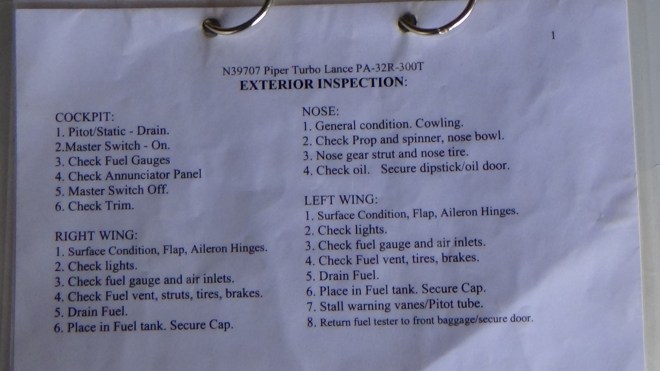
I cannot take the airplane back apart to inspect what the mechanics did, but I can do a very thorough pre-flight, and the most dangerous flight of the year is always done without any passengers and in good VFR weather. I normally do a good pre-flight, but this particular one is done much slower and with more particularity.
I look at and touch, if possible, every nut that affects any control surface.
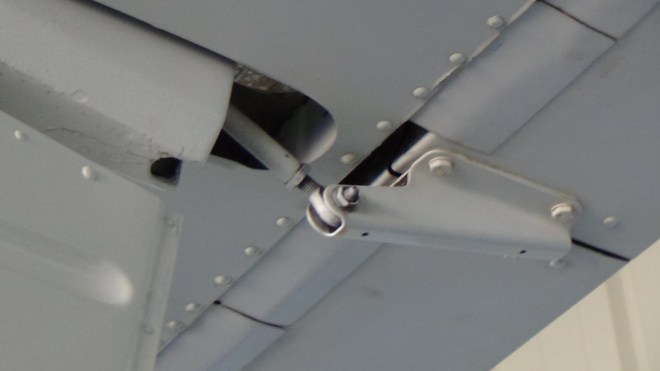
I check every hinge on every control surface.

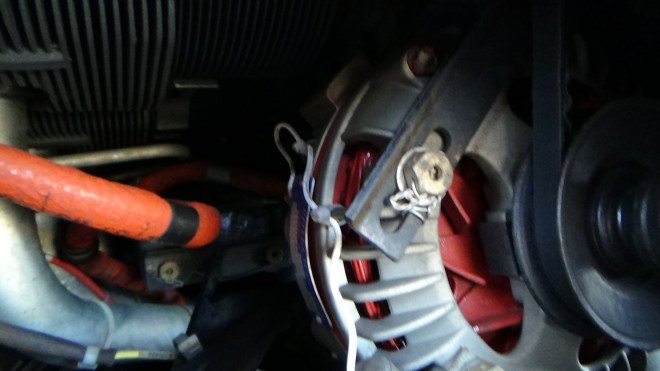
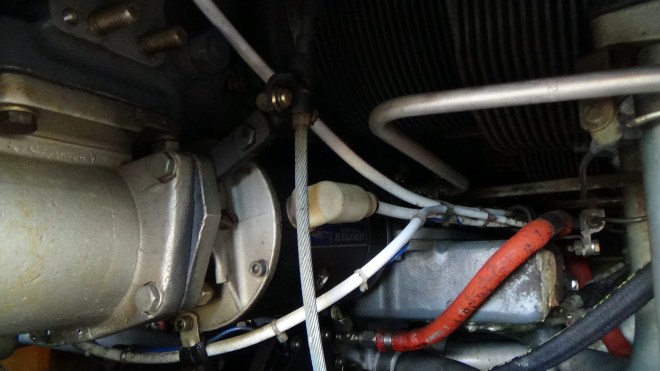
And, I don’t just check the oil, but make sure I have a flashlight and carefully look into each opening of the cowl to check for oil leakage, loose wires, etc.
Each strut, tire, and brake is carefully checked.
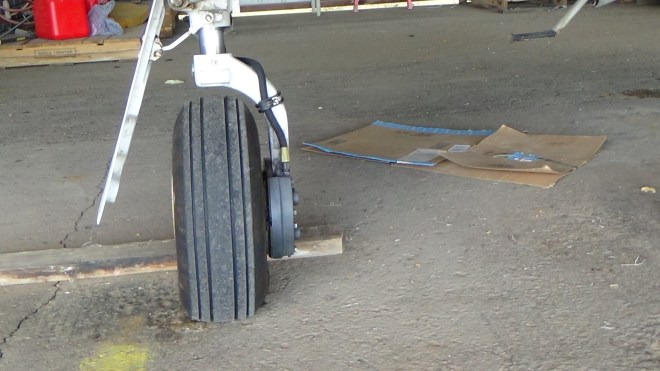
I could go on and on, but you get the point. Everything on the checklist is looked at carefully, and many things not on the list are checked.
If everything is okay on the pre-flight check, it is time to fire up the bird and go fly! On the warm-up, taxi, and run-up, everything is monitored with a jaundiced eye. The rigging and the freedom of the control surfaces are checked again, the flaps are extended and retracted one more time, and the brakes are checked at first movement.
The engine monitor is watched like a hawk. If you see something like in the picture below, something has gone wrong with either the engine or monitor itself! (No exhaust gas temperature or cylinder head temperature are being reported on the monitor in the photo.)

A pre-takeoff prayer and then it is up into the wild blue yonder! I usually go out and perform private pilot test maneuvers to confirm everything is working well. Climbs, descents, turns around a point, stalls while in climb configuration, and stalls in landing configuration are among the maneuvers I run through. Any issues are noted in writing. Once done, I take RizAir 1 back to the airport and put her back in the barn.
On the drive home, I breathe a deep sigh, say a prayer of thanks, and look forward to another year of adventure after surviving the most dangerous flight of the year!
Clear Skies and Tailwinds.
Gary Risley
RizAir Blog 9, Feb 18, 2019

 RizAir - A Private Aviation Journey
Only wanna state that this is very beneficial, Thanks for taking your time to write this.
LikeLike