
INTRODUCTION
Imagine, if you will, that instead of living in a First World nation with reliable medical services, water on tap, food on the shelf down at the local grocery store, and medical services nearby, you live in a country where there are few roads, no reliable communication services, no grocery stores, no doctor’s offices, and one hospital serving 500,000 people which is anywhere from three to seven travel days away. Oh, and your means of travel would be by canoe down a 700-mile-long river to a coastal town with the only hospital. To many of us this might be the definition of a tropical paradise, but if facing a serious medical need, it can be deadly. Such is the situation in the Sepik River region of Papua New Guinea, and this is where Samaritan Aviation serves.
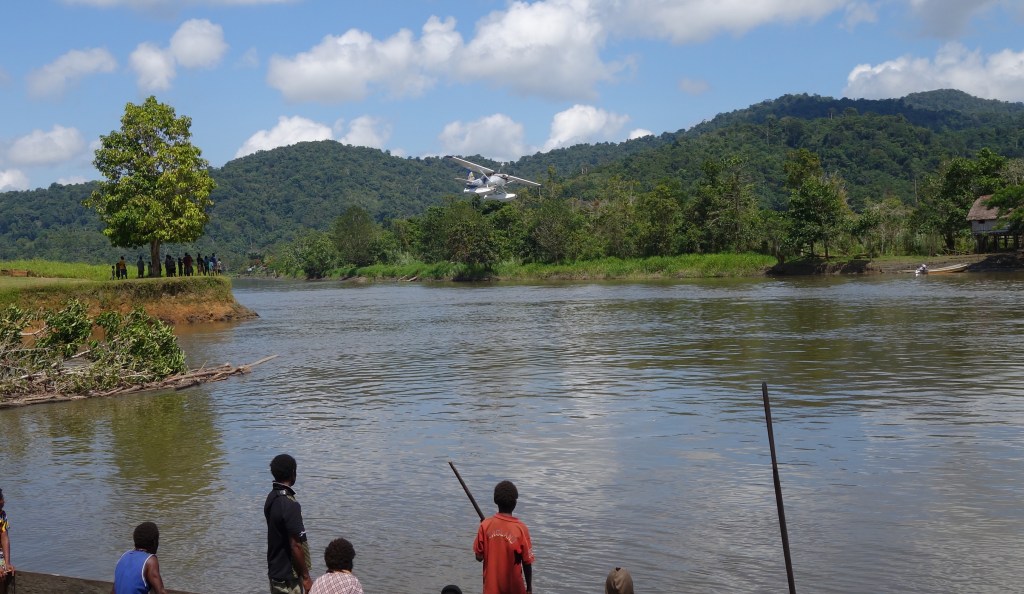
Samaritan Aviation (“SA”) is a Christian missionary organization that for 20 years now has been providing emergency medical services and delivering medical supplies utilizing Cessna 206 amphibious float planes to the people of the Sepik river region of Papua New Guinea free of charge. SA is an example of “Grace In Action.”
“Grace in Action”. Grace is defined as “unmerited favor”, or to Christians as “God’s unmerited favor.” It means two things, among others: 1. It is unearned, and 2. It is free. SA seeks to be the hands and feet of Jesus by rendering medical service to others who would otherwise be unable to obtain it or afford it; therefore, their ministry is Grace in Action. They save many lives annually through their ministry.
WHERE?
“Wait a minute!” you say. “Papa who?”

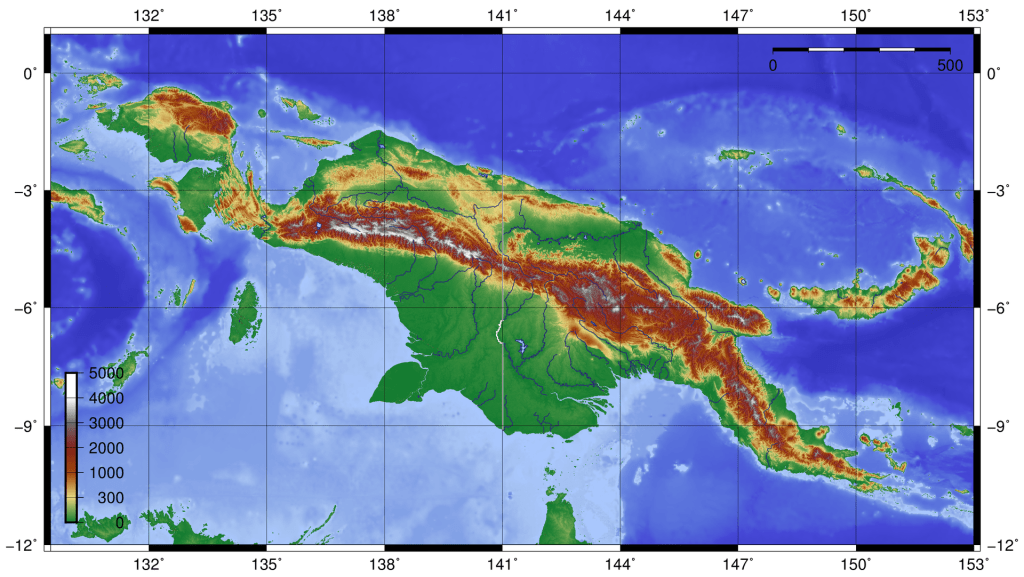
As a typically geographically-challenged American, I had to do some research to understand the situation and the nature of SA’s work. The island of New Guinea is the second largest island in the world and the largest island south of the equator (https://en.wikipedia.org/wiki/New_Guinea.) The western half of New Guinea is part of Indonesia, and the eastern half is Papua New Guinea (“PNG”). PNG was under Australian administration from the time the Germans lost it as a colony following World War I until 1975 when PNG became an independent country and part of the British Commonwealth.
PNG is considered to be mostly a tropical rainforest region. It has rugged mountains, lots of rainfall (between 17 and 20 days a month), and long, flowing rivers. Infrastructure is costly to build and very limited outside of the coastal area.
COMMUNICATION CAN BE AN ISSUE
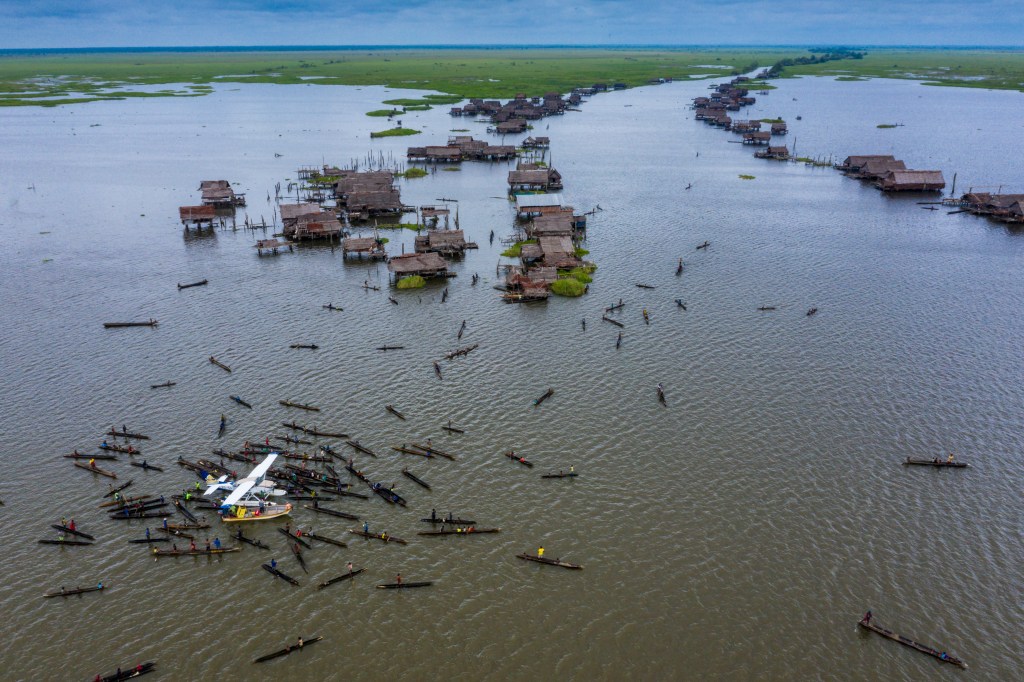
Wanna learn the lingo? Well, PNG has more languages than any other country with over 820 indigenous languages. This represents 12% of the world’s total number of languages and most of these languages have fewer than 1,000 speakers. While English is the official language of the government, few speak it fluently outside of those highly educated or in government. The language of commerce is Tok Pisin (commonly known in English as New Guinean Pidgin or Melanesian Pidgin), so if you can pick up on that language you can get around. (https://en.wikipedia.org/wiki/Papua_New_Guinea)
WHAT SA DOES AND HOW THEY DO IT
In its twenty years of operation, SA has flown thousands of life-saving rescue missions and has delivered more than 215,673 lbs of medical supplies impacting more than 100,000 people annually. There are no roads where SA flies, and there are few mountain runways cut out of the terrain and vegetation. Therefore, SA uses the serpentine, 700 mile long Sepik River as its landing strip. The most common emergencies are pregnancy/birth complications, highly venomous snake bites, malaria, and wounds from tribal conflicts.
The non-turbine aircraft that best fits its mission is the Cessna 206 on amphibious floats. The 206 has a large payload capability, can be modified with double doors in the back to accept patients on stretchers, has good flying characteristics and excellent range.
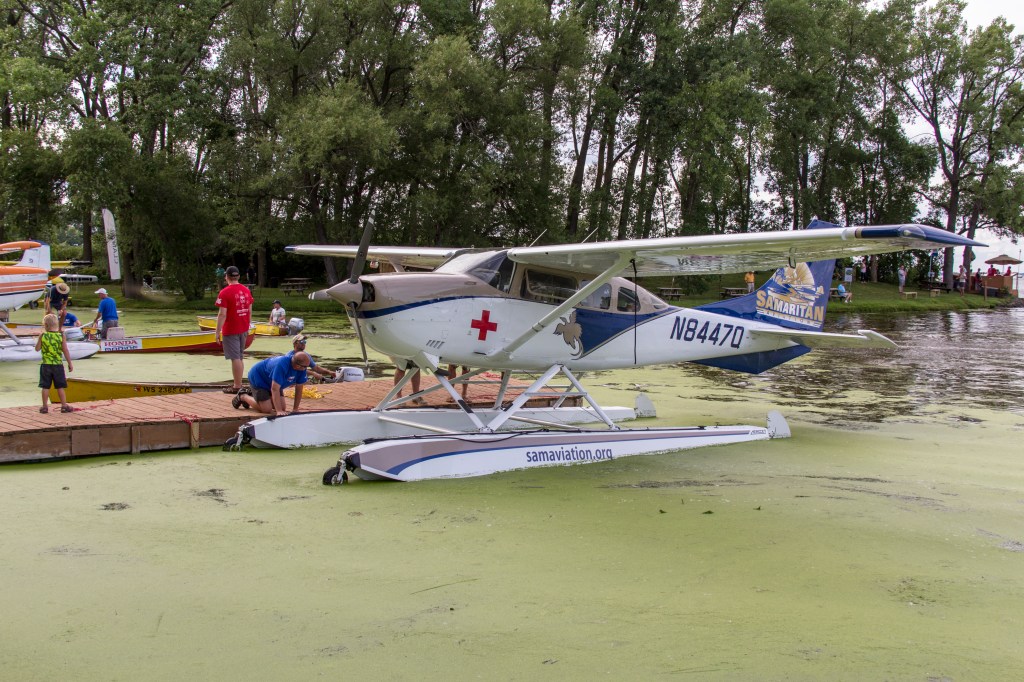
The tropical nature of the region makes each landing on the river a new adventure every day. Tropical rainfall can result in the river rising or falling several feet in a day or two, and the resulting flows result in debris off all types popping up at any time, any place in the river. Assessing the landing location must be done every flight, and there are times conditions do not permit landing. The decision not to land can be a heart-rending condition. “If you know that a snake bite victim sitting in that canoe on the river waiting for you is going to die if you cannot land, it makes it very hard to say “No”, said founder, Mark Palm. Fortunately, those occasions are rare.
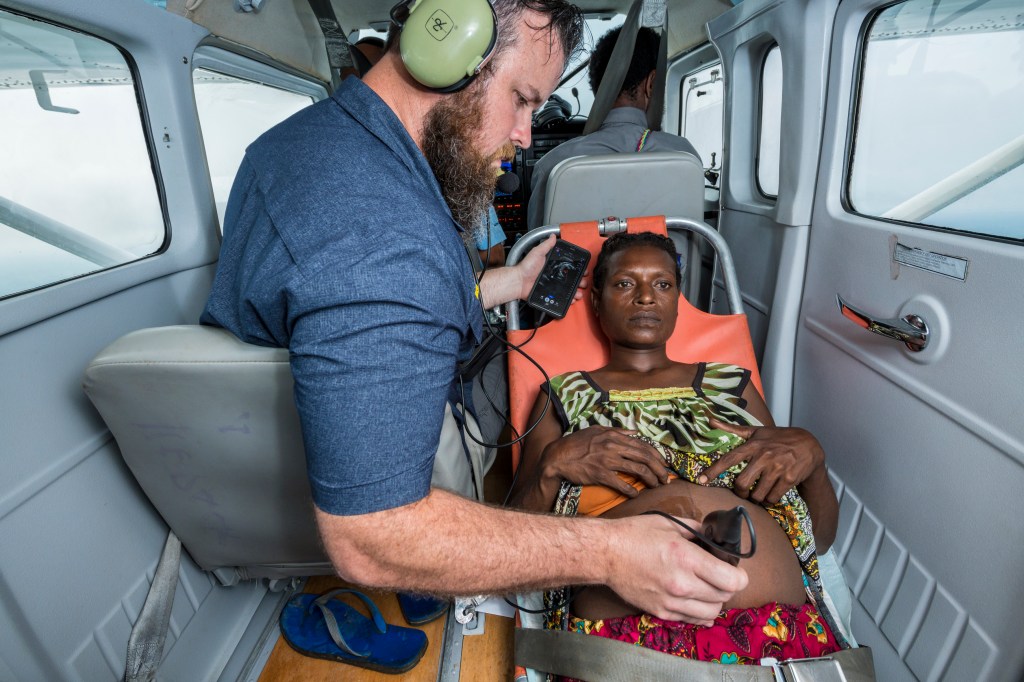
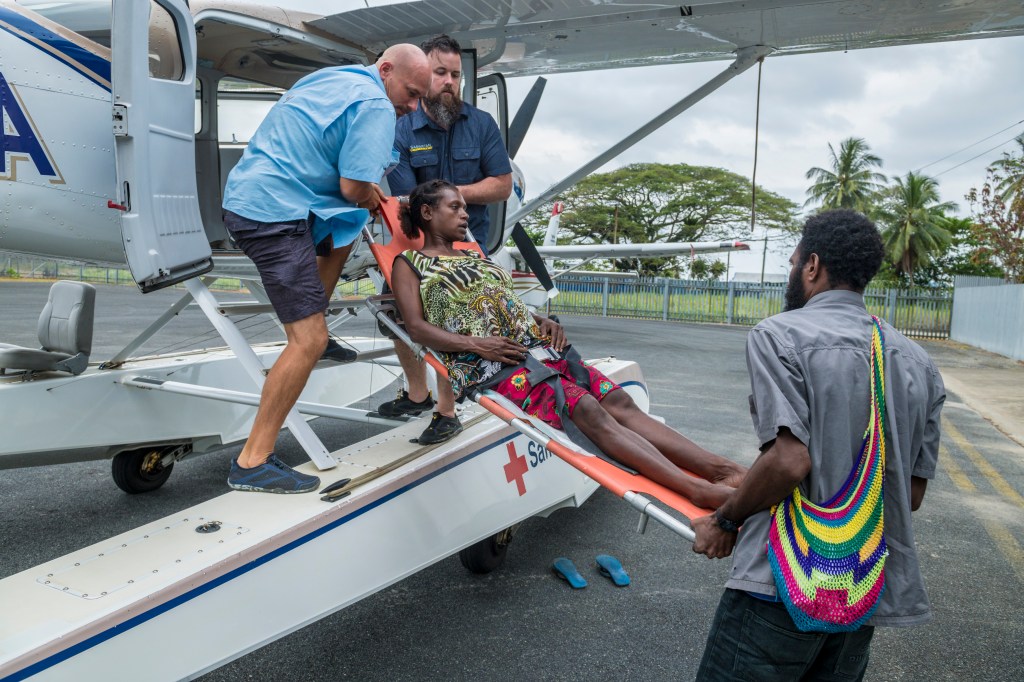
The typical crew is a pilot and a trained emergency-response nurse. Upon landing, the nurse will administer anti-venom, assess a patient, deal with malaria cases, etc. Patients that are being evacuated are placed on a stretcher and loaded in the airplane. It is normal for a family member or friend to travel with the injured or ill patient. Thirty-nine percent of their transports are pregnancy complications where the life of the mother and baby are both at risk, twenty-four percent are disease or illness, and thirty-eight percent of their flights are the result of trauma.
THE ONLY HOSPITAL – BRING YOUR OWN AIDE
There is only one hospital to serve more than 200,000 people on the north side of the country and it is located on the coast in Wewak. Unlike American hospitals, the hospital staff do not feed, clothe, or render services outside of necessary medical services. It might serve us all well to think of PNG the next time we are frustrated when it takes a nurse 15 minutes to respond to the call button in an American hospital. The traveling companion is as important to the care of the patient’s personal needs as are the medical staff are in Wewak. Volunteers and missionary workers with SA also meet with and seek to provide support to their rescued patients as time and resources allow.
THE CALLING AND THE DREAM
SA is the dream of Mark Palm. Mark received the call to serve in a foreign country as a teenager on a mission trip to Mexico. His father was a minister who ran ministries serving underprivileged people in California, so the call to serve was probably not a surprise, but, I suspect, the location might have been.

From that point forward, his focus was on fulfilling his calling. His vision became further defined as he matured, and he decided to become a medical missionary pilot. The process of starting such a ministry from scratch was not quick, it took many years, and there were an abundance of obstacles in the way. Mark, however, is an excellent planner and he had the patience to work the plan.
In order to be a medical missionary pilot in remote areas of the world, the pilot needs three things: 1. A good theological background, 2. A commercial pilot’s certificate with appropriate ratings (seaplane in this instance), and 3. Be your own certified airframe and powerplant (A&P) mechanic.
Mark attended Bible college to get the theological background, and then underwent the education and training necessary to obtain both his A&P license and the needed pilot ratings. After several years of effort to complete the foregoing, he put in time working for others to get the experience he needed beyond the “book-learning” to launch his ministry.
His call led him to start his ministry in the remote country of Papua New Guinea. One does not just pack a suitcase, grab the next flight, and announce “Here I Am!” So, continuing to work his plan, Mark began raising the financial support needed with the help of family and friends and began looking for the airplane that would be needed.
Lest you think fundraising for a start-up ministry is easy, Mark and his friends sent out several hundred fundraising letters hoping for a multi-thousand dollar response to give the new ministry a good base. Should be easy, right?
The response, instead, was an average of a dollar a letter – less than $1000. Going back to the drawing board, Mark and his friends figured how to raise money, and managed to get the funds needed to get started, and, very importantly, received commitments for continued donations of support once Mark and his family were overseas.
For the first five years in PNG it was Mark and his family and the one airplane. He was on-call 24/7, lived with a cell and satellite phone, and had an immediate impact by saving a large number of lives.
The ministry has now grown to four pilots in addition to Mark, two mechanics, a medical director, and a director of staff development and mission engagement; each of whom raise their own individual support from donors so they can work in PNG. There are also locals who serve as hangar staff, hospital ministry assistants, and other positions. In addition to staff located in PNG, there are people working hard in the U.S. to develop funding sources, locate and obtain resources that are needed, and locate the people willing to serve in a missionary capacity in PNG. There is a lot going on as SA continues to grow. Two aircraft are in use, a third is on the way if it is not there already, and there are further expansion opportunities to serve PNG.
THE MONEY ASPECT
As mentioned previously, SA is mostly funded through donations from those of us who enjoy life in a first world country.
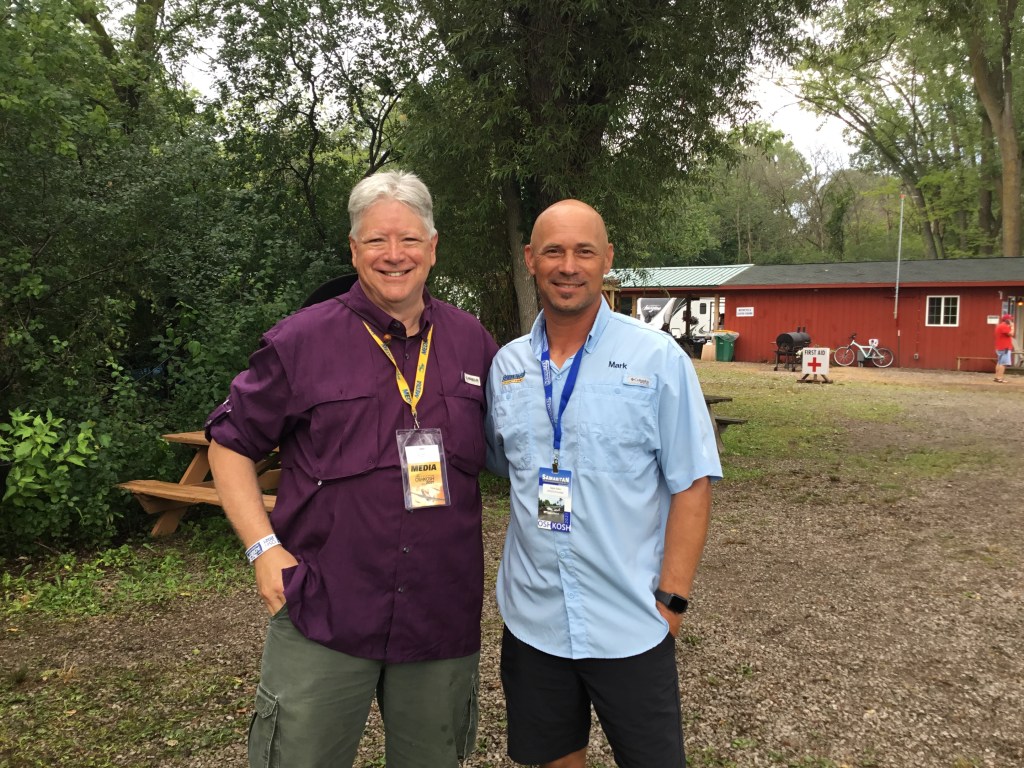
Mark and other SA team members have built a close-working relationship with the government of PNG and it now provides funding that equals about twenty percent of the SA budget. Mark stated that he felt it was important that the government demonstrate its support for its people through taking some financial responsibility for the service provided because there is no one else providing the emergency air medical services delivered by SA. The deep cooperation with PNG entities is also evidence through their close relationship and coordination with the hospital staff and other service providers.
Samaritan Aviation is open about its finances. Its financial statements are posted and available through a drop-down link on the SA website. 90 cents of every dollar goes directly to ministry. 6 cents goes to administrative overhead, and four cents goes to fundraising. They have been awarded the Platinum Seal of Transparency, which is rarely given.
Ways to give
Samaritan Aviation accepts monthly donations, gifts for specific projects and items, one time gifts, or a program that interests me the most: Fuel for Life.

Fuel for Life asks donors to donate one barrel of aviation gas per year. (They have to ship avgas in by the barrel because it not otherwise available.). At the end of 2021, each barrel cost $600 U.S. They burn 250 barrels of avgas a year. So, if 250 people will give $600 a year their needs for fuel would be met. (At least before the recent price increases in 2022.) It does not have to be given all at once. A $50 per month donation would buy one barrel of fuel per year.
You may explore options to donate at https://samaritanaviation.org.
Charitable aviation is a resource we all need to both respect and support. I hope you will consider supporting this charity which has earned my trust and respect – and I don’t give that out lightly!
Until next time:
Clear skies and tailwinds!
Gary Risley
©March, 2022 RizAir Blog 21

 RizAir - A Private Aviation Journey