As this blog is being written late in the Fall of 2020, all of us are suffering from the impact that the Covid-19 pandemic on the United States and the rest the world. Despite your personal views of the nature of the disease, its risk to our society, and what action should be taken, if any, to protect the public, we all have to live with rules and regulations that are set in place by our local and state government officials. Those rules have greatly impacted travel throughout our country, and Covid-19 has placed the airline industry on the point of bankruptcy.
Many of us have reservations about being confined in a long tube for 2 to 4 hours at a time with a group of strangers, one or more of whom will be sitting a scant 6 inches from our elbow. The at-risk population, particularly seniors, are understandably concerned about climbing aboard an airliner under these circumstances. They are also concerned about being in airport terminals and other areas where many people congregate, and those concerns will continue for quite a while longer.
So how can one travel over longer distances while reducing potential exposure to the COVID-19 virus and quite possibly do so in less time than by a commercial airline? Private aviation, of course! Private aviation, along with private charter aviation, provides a means to control your risk of exposure because you select with whom you travel and you are passing through lesser-congested general aviation terminals and facilities.
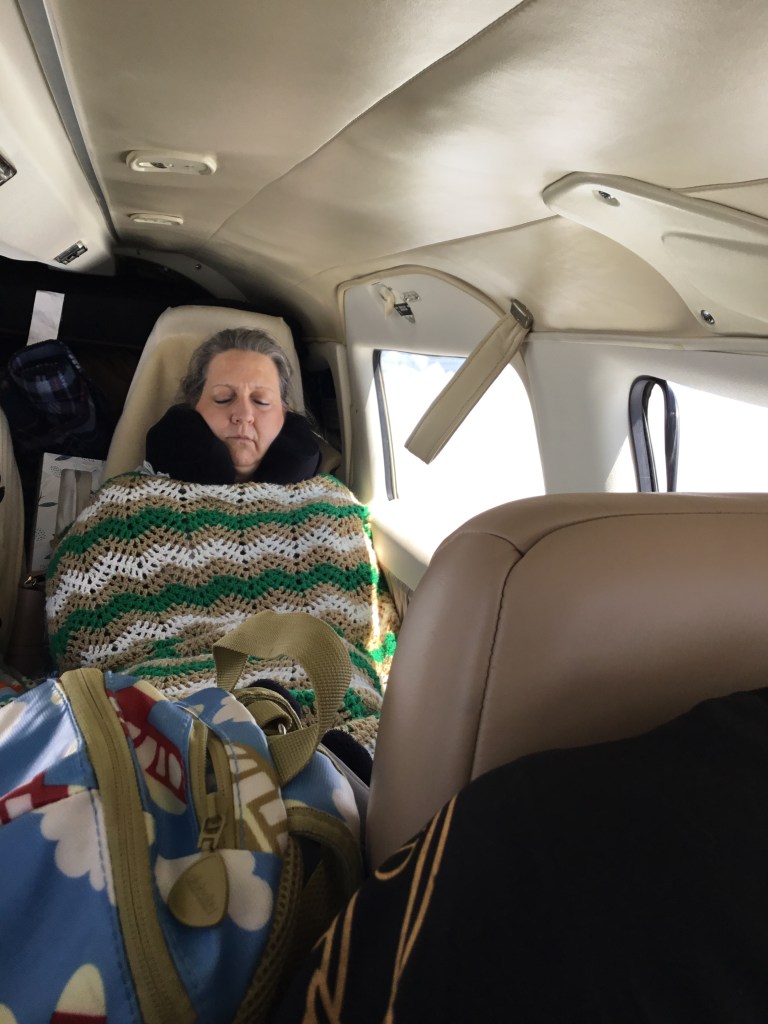
Over the past several months, I’ve been able take advantage of private aviation to see my two sons who each live a substantial distance from my home in the Four Corners area. We were able to do so in a manner that put us less at risk than going to the local big box store. How are we able to do this in a Covid-safe way?
In preflight planning, I looked for opportunities to refuel enroute that would reduce our human contact with others. For our trip to Iowa, we made sure to pack our lunch, bring plenty of water bottles, and I planned our fuel stop at an unattended airport that had self-service fuel. Upon landing in Iowa, our son picked us up at the airplane, I provided my contact information and other pertinent information concerning the tie-down of the airplane to the FBO by telephone, and we proceeded to his house with literally no non-family contact.

After a wonderful, long weekend visiting the grandkids, Annette and I mounted up for the return to the Four Corners. Contact with the FBO crew in Ankeny was minimal, I paid for my fuel (credit card slid across the counter at a respectful distance), and we were on our way. At our fuel stop in Scott City Kansas, I taxied up to the self-service fuel pumps, but the line crew at A+ Aviation hopped right out to meet me, I handed them my credit card through the storm window on the airplane, they swiped it, handed back to me, and commenced to refuel my aircraft for me. The lady inside the FBO was behind a plexiglass shield and we had the FBO lobby to ourselves as we waited for the plane to be fueled. Again, minimum human contact, and we were on our way to home shortly thereafter.
One of the tragic circumstances of COVID-19 has been the continued isolation of our senior citizens, and the lost opportunities to visit with them and enjoy what are, for many, their last years. My in-laws had desired to see the Texas-based great-grandchildren for some time. As travel restrictions were lightened, they were giving serious consideration to traveling by airline to see them. Both my wife and I had serious concerns about them as they are in their mid-to-late 80s, they would have to travel to a city that had a fairly high Covid infection rate, stay there overnight, spend approximately 2 hours in an airport terminal waiting on boarding, followed by an airplane swap with the corresponding hangtime in the layover terminal, before finally getting to their destination.
In light of those concerns, I offered to fly them to see my son, daughter-in-law, and, of course, the great-grandkids. They were happy to take me up on that offer. (Annette and I had made the same trip earlier in the year.)

The flight from the Four Corners to an airport near my son’s home was five hours, just two hours more than it would have taken them to drive to Albuquerque to get on airline flight. Once again, by preflight planning, I took precautions to avoid human contact enroute. Lunch was packed, we landed at the Odessa airport and re-fueled at the self-serve fuel facility. The great folks at Texas Aero in Odessa, who own the self-serve fuel farm (I do not like to ask to use FBO facilities if I do not buy fuel from them), greeted us warmly from behind the plexiglass, we ate lunch at tables they had set up that purpose (which clearly had been sanitized recently), used the restrooms, and then were on our way. We did not pass within 10 feet of another person while doing so. Upon our arrival in New Braunfels, my daughter-in-law met us at the airport with the grandkids in tow, the in-laws hopped in the car, I took care of things with the FBO, and we were on our way.
After a great weekend with the great-grandkids, the return flight, with a fuel stop in Hobbs, New Mexico, was much the same as the trip down. We arrived home shortly after noon with minimal human contact throughout all legs of the trip to Texas. The trip in a car would have more than 18 hours, with numerous fuel stops, numerous meal breaks, and other events that would lead to a whole lot more human interaction.
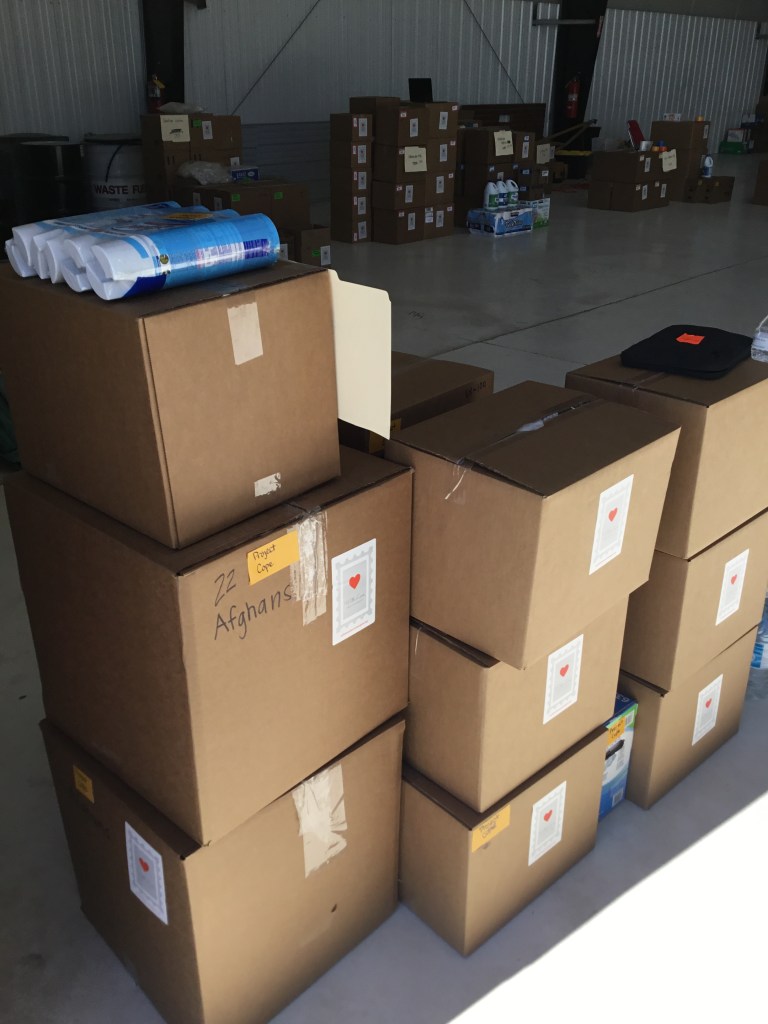
The Navajo Nation, which is adjacent to where I live, was hit very hard with Covid infections. How could personal protective equipment and other donated supplies reach the hard-hit areas of the Navajo reservation while minimizing people’s exposure to Covid? The answer, once again, is private aviation.
Angel Flight, in cooperation with “With Love, From Strangers”, organized flights of essential supplies to communities throughout the Navajo reservation. The flights utilized the airstrips that have been strategically placed throughout the reservation for purposes such as this.
The procedures regarding pickup and delivery allowed the pilots to minimize human interaction. Upon landing in Salt Lake City, masked and gloved individuals met us with organized packages based upon the weight limits of our aircraft, the product was loaded by those individuals, and after paying for fuel, we were on our way. Everyone was outside, people were wearing masks, and we were able to stay a substantial distance from each other.

As we continue to trudge through a Covid- restricted world, if you are a pilot, look for ways that you can utilize aircraft available to you to assist those who might not otherwise be able to travel to see family, friends, or for medical needs. For those not yet a pilot, get started. Travel by private aviation is a great way to protect yourself and your family as you travel.
Everyone should be aware of organizations such as Angel Flight which provide transportation to medical appointments for non-emergency patients in a safe, Covid-free environment through the donations of flight time by private pilots.
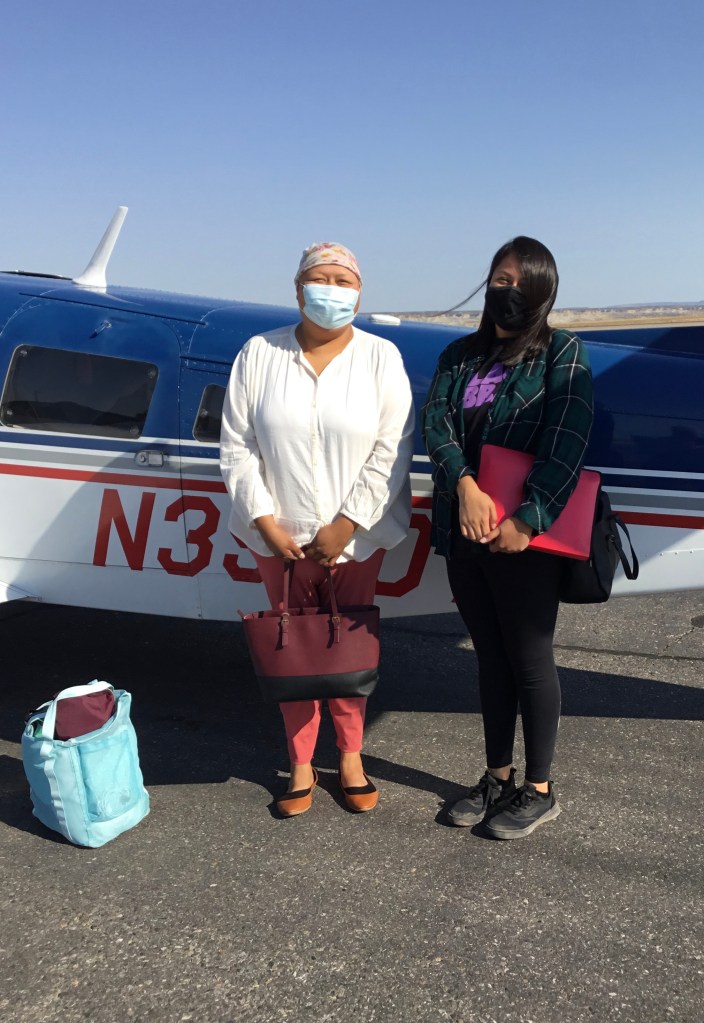
Think about private aviation, or a charter operator, as an option next time you need to travel in this crazy world as we know it today.
Until next time, clear skies and tailwinds!
Gary Risley
RizAir Blog
©Nov. 2020

 RizAir - A Private Aviation Journey