A ROTTEN DAY ALL MONTH LONG!
OR – HOW TO MAKE LEMONADE
It appeared to be a simple problem to fix – really. Have the technician open up the panel, locate the wires that had been pulled loose, plug in, and good as new! So, why did it seem that all the forces of Nature were conspiring against me to accomplish this simple task. A nuisance ended up becoming a rotten day all month long. Here is what happened:
As described in “The Most Dangerous Flight of the Year”, RizAir Blog 9 (https://rizair.blog/2019/02/18/the-most-dangerous-flight-of-the-year/), when an airplane comes out of its annual inspection, it deserves close scrutiny. In that blog, I described my yearly ritual following the annual inspection.
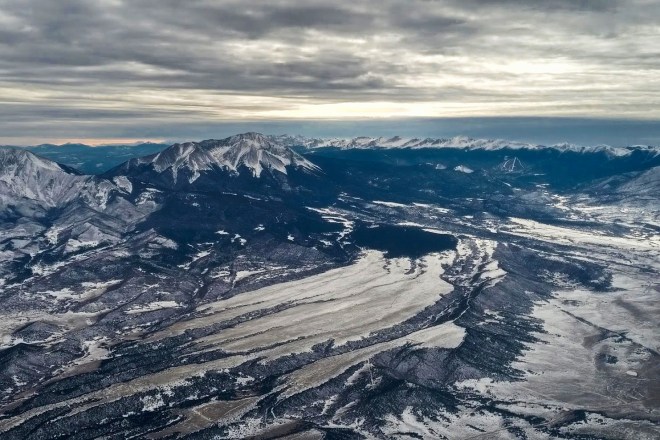
Well, even when we do a thorough check immediately after the annual, things can still pop up that surprise us. I was flying to Pueblo, Colorado on a Sunday afternoon (the day after the Most Dangerous Flight) for depositions that were scheduled for early the next morning. Absolutely beautiful weather in mid-December. Clear below the flight levels, cold, calm, and lots of snow-covered mountains to look at enroute. The whole trip was about one hour and 45 minutes. (It would have been about a 7-hour trip in a car.)
About 30 minutes into the flight, I notice that one of the Cylinder Heat Temperature (CHT) probes on the engine analyzer was indicating no signal or a bad probe. Good Grief! We had just spent quite a bit of time working with one of the probes during the annual getting it to read properly! Little did I know that was just the start of the problems.
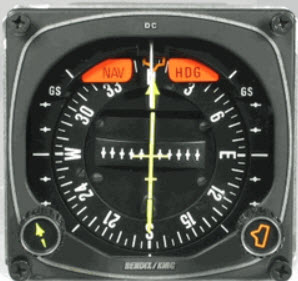
Since it was severe clear, I had been navigating off Garmin Pilot, a moving map display, on my iPad which was attached to the yoke, and I was hand-flying the plane during the climb. Seeing the problem with the engine analyzer, I started checking out everything else as well. Another problem: The HSI, the combined compass and course deviation indicator, was not making any sense – the CDI was not moving at all. The number 2 CDI, working off the number 2 radio, was working just fine. Okay, another problem to figure out, but nothing affecting the safety of flight at this time.
Shortly after this, the whole engine monitor began to blank out. Fortunately, the previous owner had not removed the analog gauges when he put in the engine monitor. They are not as precise as the electronic version, but they also are not subject to the vagaries of electrical system issues.

Continue to troubleshoot – the number one radio is working fine. The communication function is fine, the CDI reflected on the LED screen of the radio was working well and was accurate, but no signal was getting from it to the HSI. Neither the GPS function or the VOR function would indicate on the HSI.
Then things started getting a little more wonky still. The autopilot would hold altitude and stay on heading straight and level for a while, but then it would start to drive off course and not correct, and it would not follow the heading bug on the HSI. Then, the button that allowed me to switch between heading bug steering and the GPS steering mode started flashing and not working correctly. Maybe I should name this blog “The Most Dangerous Flight of the Year, part 2”.
I was never in any danger on this wonderful VFR day, but I sure was highly inconvenienced! I had to hand-fly the airplane to the destination and on the return trip the next day. I would have been significantly hampered if I had to make the return flight IFR, and I had recently put out some significant cash to get this system working just how I wanted it to work.
What was it? Maintenance Induced Failure, a term I introduced in the previous log. Nothing intentional, done with the interest of my safety and that of the airplane at heart, but it created a problem.
You see, the mechanics at annual noticed a bit of impingement in the yoke, inspected, and found a bundle of wires behind the dash resting on the yoke tube. Concerned, they pulled up the bundle, zip-tied it up out of the way . . . and created the problems I was having. The Law of Unintended Consequences exists in aviation just as it does in other aspects of life.
Upon return to Farmington, straight back to the mechanics. They pull things back apart and find where a bare spot on a wire to the engine monitor was now in contact with metal after they tied up the wire bundle. Quick and easy fix. But now the rest of the story, as Paul Harvey would say.
The mechanics tried to find an obvious problem with the radios, but they are not avionics guys, and could not solve the problem. This meant a trip to the avionics shop in – you guessed it if you have read my previous blogs – Alamosa, Colorado. Over the mountains and through the woods Alamosa, Colorado.
It is mid-winter, in the mountains, and Alamosa, Colorado is probably the coldest place in North America south of the Artic Circle. It is located in the Upper Rio Grande River valley in Southern Colorado and is between two very tall mountain ranges located to the east and west. It is hard for turboprops to get into KALS in the winter. Thus began my month-long rotten day.
First trip planned to the avionics shop – cancelled due to weather. Snowstorms and high winds are not much fun in an airplane not equipped for icing conditions. Second trip planned – cancelled due to weather. Same reason.
Third planned trip looked like the charm . . . until it wasn’t! I got up to a beautiful northwest New Mexico day. Checked the weather, and there was fog at Alamosa and the surrounding area, but it was supposed to burn off between 9 and 9:30 a.m. So, I planned for an approximate 10 a.m. arrival to give the weather guessers some margin for error. As I made the turn from the Brazo intersection for the home stretch over the top of the mountains and down to KALS, I checked the weather via ADS-B. Just great! – Freezing fog, ¼ mile visibility, vertical visibility 300 feet.
The fog was not burning off. Checking weather at surrounding airports, same result at airports 50 miles north and south of ALS. I had to look just to confirm, and as I climbed above the elevation of the mountains, I saw a beautiful sight (not a wonderful sight, a beautiful sight) – a white blanket of freezing fog over the entire Rio Grande valley as far north as I could see and as far south. Nope, not getting into there today!
I pulled a 180, headed back to KFMN, and lived to fight another day.
The problem was discovered on Dec 16. After numerous efforts, I finally was able to make it into KALS on Feb 7th. This not to say I was trying every day. I would consult my schedule, consult the schedule of the avionics shop, and where the dates matched, we would schedule the meeting, and then reschedule, and reschedule, and reschedule again. So, it really was a rotten day that was almost 2 months long.
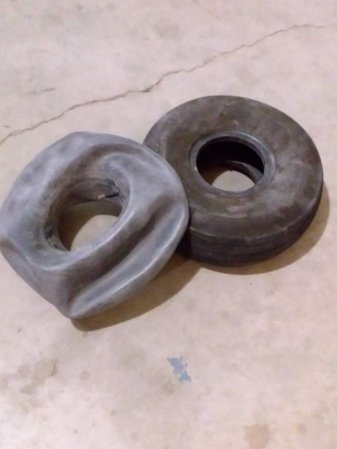
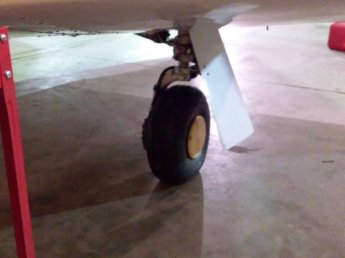
To add insult to injury, my left main tire went flat shortly after I pulled onto the ramp in KALS. The FBO had recently left ALS for more friendly confines in Del Norte, so we had to call a mechanic to come out from Del Norte, bring a new tube, and, it turns out, a new tire as well. Just par for the course on this adventure.
Well, the radio problem was soon diagnosed: a broken pin on the number one radio created when they pulled the wires. The wire was still hooked the pin, but the pin was no longer hooked to the radio. The second was simple, but complex. After two hours of hunting, wiring diagram reviews, etc., the second problem was found – a wired had been pulled loose from the back of the HSI. It had been pulled so far back when they tied up the wire bundle that it was difficult to find. Wire located, plugged in, and, Voila! everything worked as it should. So after paying the mechanic for the new tire, tube, and his time, and paying the avionics shop (which was nice enough to buy me lunch at a very good restaurant), I picked up my toys, rolled out on my brand new tire, and went home. (The maintenance shop made it right re the avionics bill in case you are curious.)
No, nothing else went wrong on the way home.
While these types of things in life are frustrating your attitude has much to do with how the situation affects you.
I wasn’t happy, but I decided I would make lemonade out of all these lemons. I used the situation to enhance my IFR partial panel skills. With a friend as a safety pilot, while waiting for a chance to get to Alamosa, I went out and flew 5 practice approaches (three of them at a pretty tough mountain airport) with the number 1 HSI not working, and relying upon the number 2 CDI, which forced me to broaden my instrument scan. Typically, with a non-working gauge, the gauge should be covered up to eliminate the distraction, but with the HSI I needed the directional gyro (the compass) part of the HSI to navigate. It was good training which forced me to really concentrate on what I was doing.
Because of the problems, I had to hand-fly the airplane for more than two hours while I was practicing the approaches and setting up radios, briefing charts, changing directions and altitudes, talking on the radio, etc. It is tough duty for a single pilot operating the airplane in IFR conditions without an autopilot, and the equipment squawks made for a stressful, but helpful, exercise.
It was an excellent skill-sharpening experience and restored a great deal of self-confidence. I know that I am perfectly capable of operating this airplane in IFR conditions in less than optimal circumstances. (I might need to reconsider flying with this friend. The time before when he was my safety pilot the vacuum pump failed! He doesn’t know you can fly IFR with all equipment operating!)
The rotten day finally ended in early February, the lemonade was just fine, and RizAir 1 is in her barn feeling fat and sassy. Now, what will the next adventure be?
Clear Skies and Tailwinds.
Gary Risley
RizAir Blog 10, March 10, 2019

 RizAir - A Private Aviation Journey